Articles

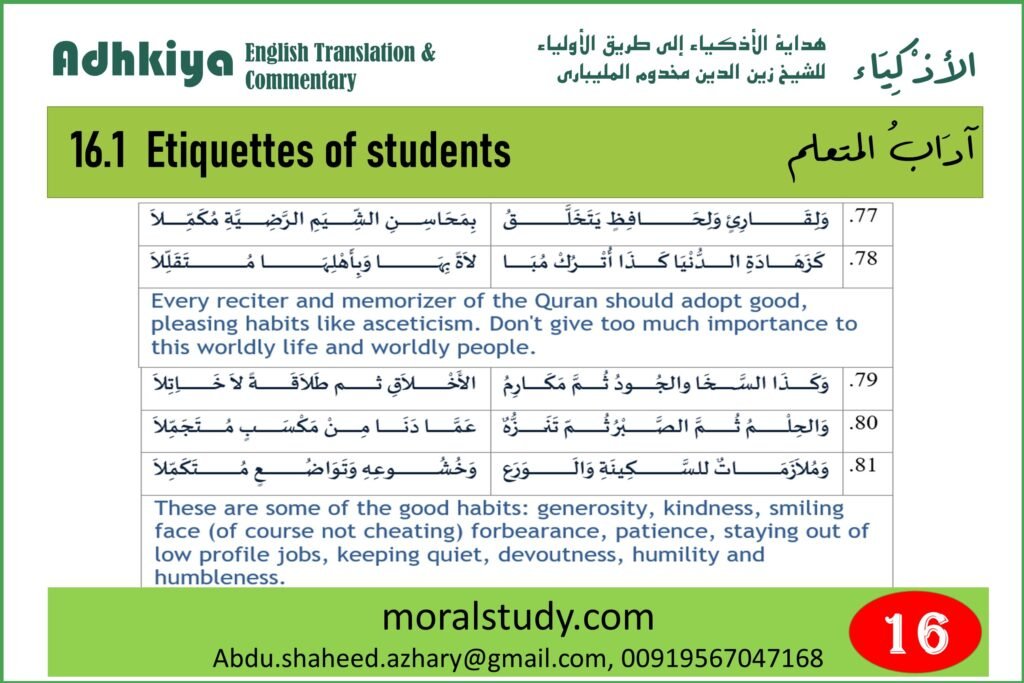
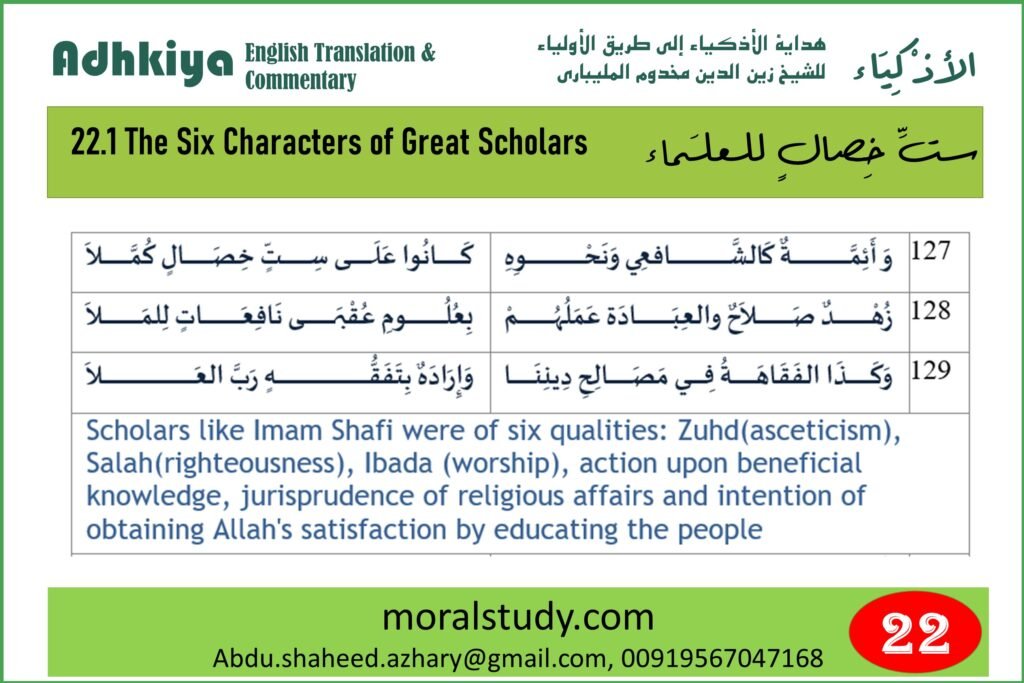
Asceticism (Zuhd)

One can maintain Zuhd in all walks of life. Doing activities such as business, marriage, job, and socialization are not against maintaining Zuhd. The substance of Zuhd is to consider wealth as nothing and to make sure that his heart is not connected in any way with his health. Neither having money nor a lack of money bothers him. It is a state of love for Allah that makes him neglect everything other than Allah.

Asceticism (Zuhd) Read More »

Types of Tariqah

According to the author, only Faqeeh (jurist) is entitled to be a Sheikh. His knowledge of Fiqh should be applied practically throughout his life. Tariqah is meant to be an easy way to enforce and apply the knowledge of Fiqh in his life. Eventually he may reach Haqiqah, the core of Tasawwuf . One of the major misconceptions about Tariqah is that it is a shortcut way towards Allah, without giving much importance to Fiqh rules. In fact, Tariqah is the shortcut to applying Sharia in practical life.

Types of Tariqah Read More »

Virtues of Salaat (First Chapter from the book “Salaat (Brief rulings of Prayer in Shafi Madh’hab)” by Abdu Shaheed Azhary

Definition of Salaat (صَلاَة/prayer) Salaat is an Arabic word. It linguistically means ‘the prayer’. In the Fiqh terminology, صَلاَة is “A special act of worship that consists of certain sayings (أقْوَال) and acts (أَفْعَال). It starts with تَكْبِيرة الإحْرَامand ends with تَسْلِيم”. Zainuddin Makhdoom tin his book فَتْحُ المُعِين defines Salaat as follows: أقوالٌ وأفعالٌ

Virtues of Salaat (First Chapter from the book “Salaat (Brief rulings of Prayer in Shafi Madh’hab)” by Abdu Shaheed Azhary Read More »